

R.I.S.E. SUMMIT
Research.
Innovation.
Science.
Education.
|
Research. Innovation. Science. Education. |
PSYCHEDELIC TREATMENTS FOR ADDICTION RECOVERY
Speakers & Moderators
Keynote Session
-
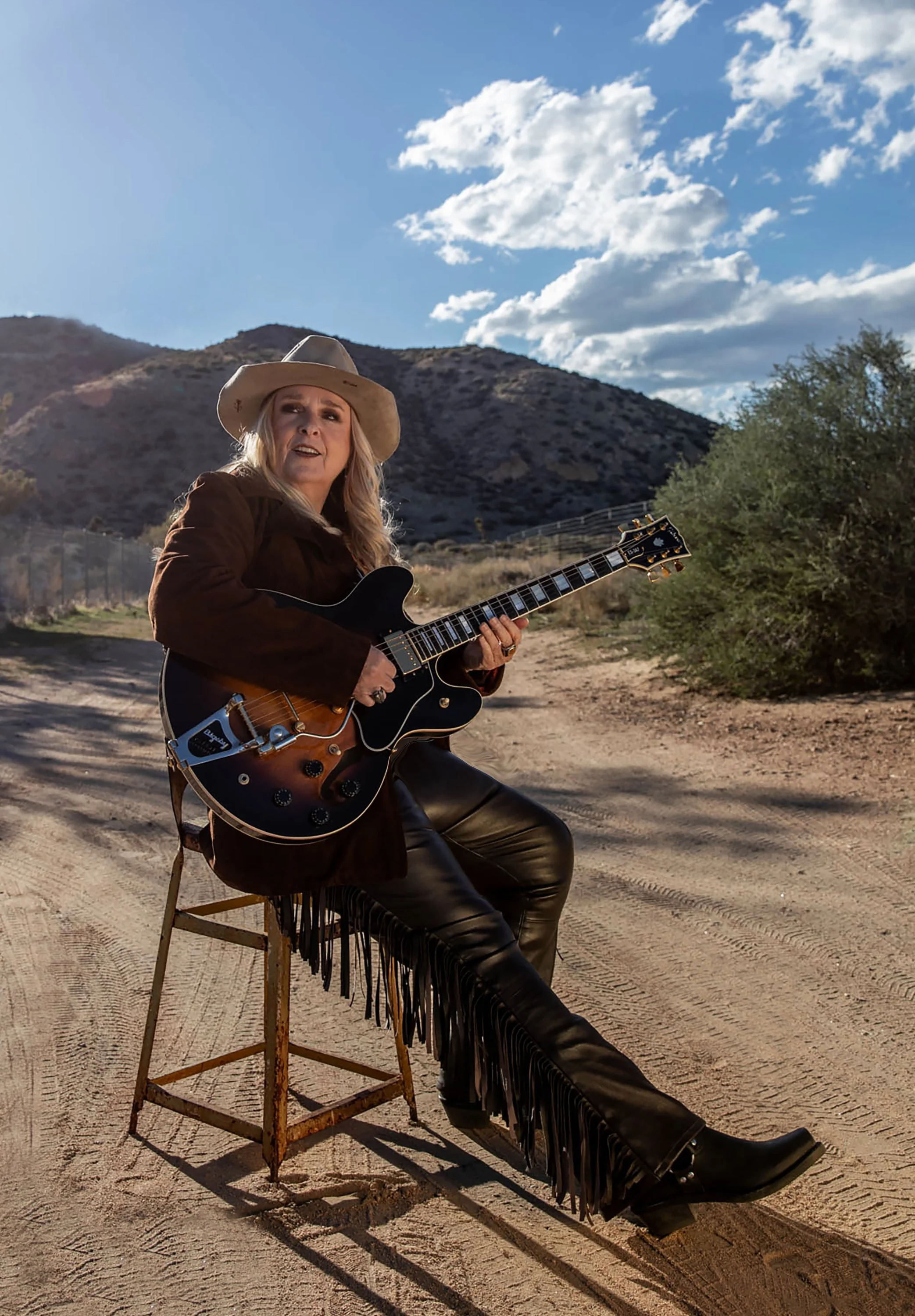
Melissa Etheridge
Melissa Etheridge stormed onto the American rock scene in 1988 with the release of her critically acclaimed self-titled debut album.
With massive original hits such as I’m the Only One and Come to My Window, Melissa has remained one of America’s favorite rock stars for more than three decades. Her artistic and commercial successes have been highlighted by accolades including two Grammy Awards for “Best Female Rock Performance,” a “Songwriter of the Year” honor at the ASCAP Pop Awards, and a career milestone with a victory in the “Best Song” category at the 2007 Academy Awards for I Need to Wake Up, written for the Al Gore documentary An Inconvenient Truth.
Throughout her career, Melissa has shown herself to be an artist who has never allowed “inconvenient truths” to keep her silent. She publicly acknowledged her sexual orientation at a time when it was considered risky to do so, and continued her activism toward achieving Marriage Equality.
After being diagnosed with breast cancer in October 2004, Melissa appeared on the 2005 Grammy telecast despite losing her hair from chemotherapy, to sing “Piece of My Heart” in tribute to Janis Joplin. As a cancer survivor, Melissa has publicly advocated for the therapeutic benefits of medicinal cannabis. She is also an Advisor to the nonprofit Survivorship Collective.
Through the Etheridge Foundation, Melissa has continued her activism and public education with a mission to help people heal from opioid use disorder through transformative plant medicine and psychedelic treatments.
-
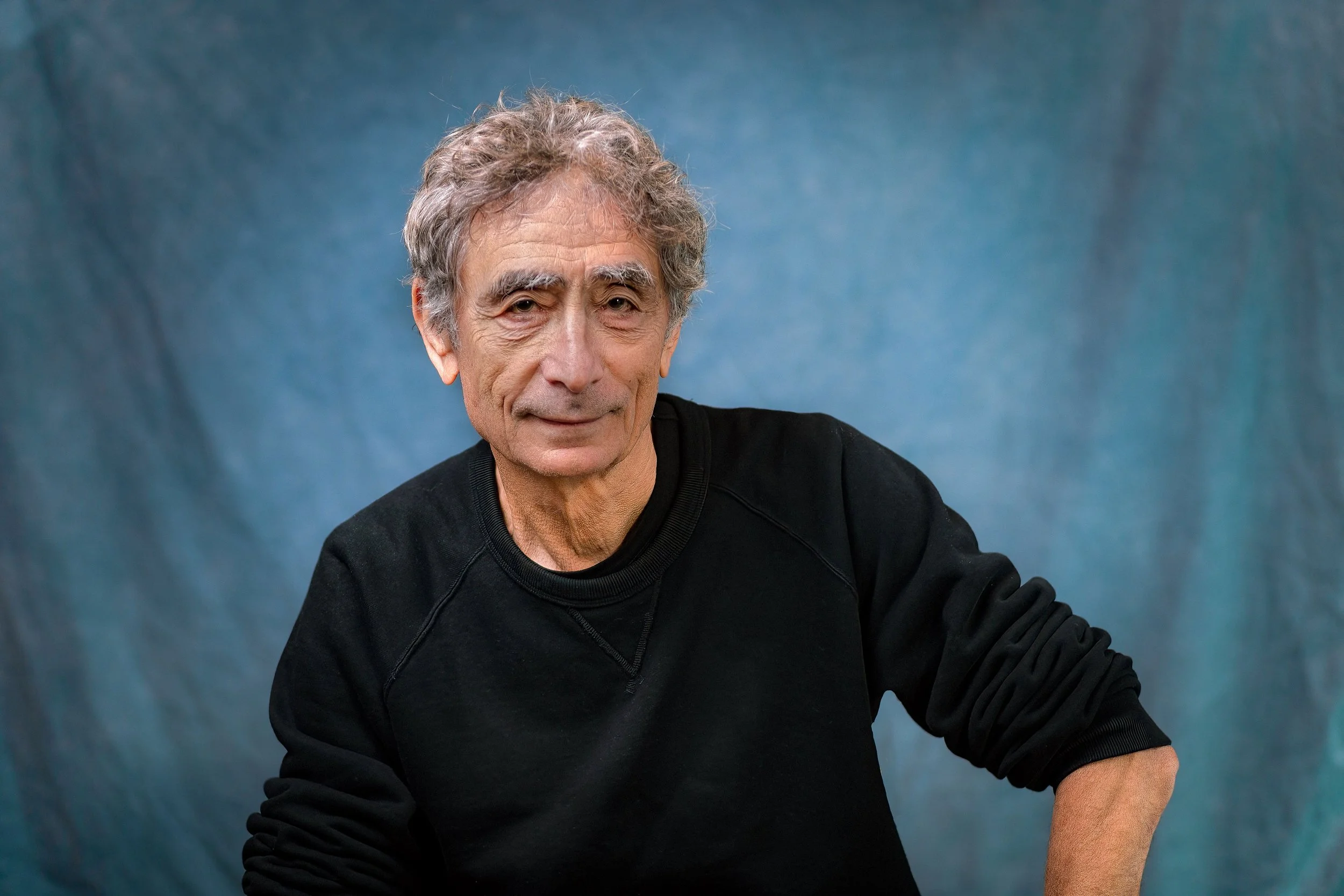
Gabor Maté, MD
Dr. Gabor Maté (pronounced GAH-bor MAH-tay) is a retired physician who, after 20 years of family practice and palliative care experience, worked for over a decade in Vancouver’s Downtown East Side with patients challenged by drug addiction and mental illness.
The bestselling author of five books published in 43 languages, including the award-winning In the Realm of Hungry Ghosts: Close Encounters With Addiction, Gabor is an internationally renowned speaker highly sought after for his expertise on addiction, trauma, childhood development, and the relationship of stress and illness.
For his ground-breaking medical work and writing he has been awarded the Order of Canada, his country’s highest civilian distinction, and the Civic Merit Award from his hometown, Vancouver. His most recent book, The Myth of Normal: Trauma, Illness and Healing in a Toxic Culture is a New York Times and international bestseller.
His next book, co-written with his son Daniel, will be Hello Again: A Fresh Start for Parents and their Adult Children, based on their popular workshop, and is expected to publish in late 2027.
Featured Address
-
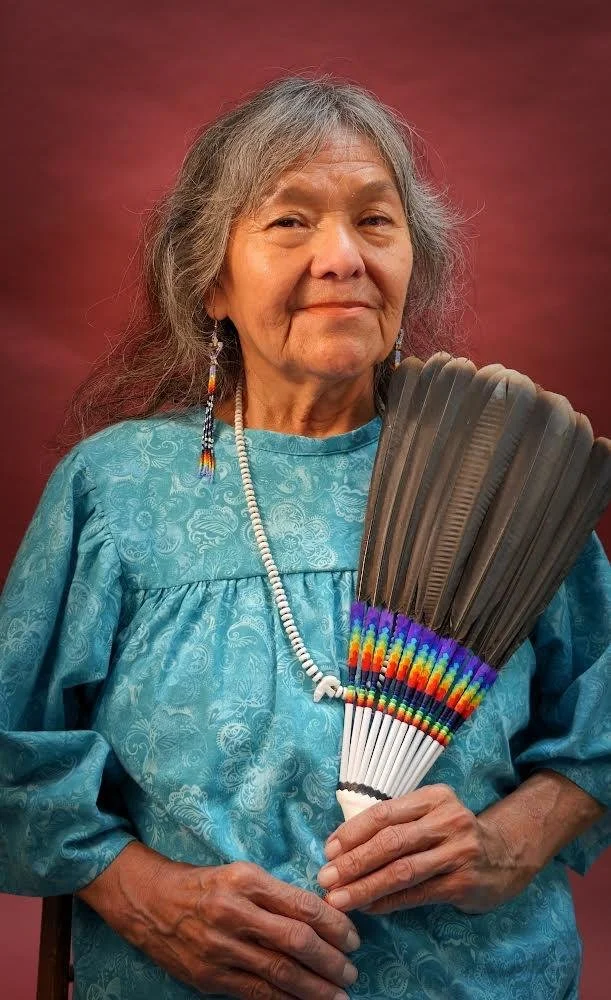
Mona Polacca, MSW
Mona Polacca is a featured author, speaker and educator of Havasupai, Hopi and Tewa tribal lineage. She is an expert and facilitator on Indigenous People's human rights, water rights, aging, mental health, addiction, violence and culturally appropriate health treatments for Native Americans. She serves on several United Nations committees on Indigenous Peoples issues and is a founding member of the International Council of Thirteen Indigenous Grandmothers, an alliance upholding and protecting Indigenous spiritual practices and beliefs. Grandmother Mona was also chosen as a member of the World Council of Religious and Spiritual Leaders due to her international justice work. She is the President/CEO and on the faculty of the Turtle Island Project, a nonprofit program that promotes a vision of wellness by providing transcultural training to individuals, families and healthcare professionals. Her spiritual practices are grounded in the Havasupai, Hopi and Tewa Original Instructions and the Native American Church. She serves on the Conservation Committee of the Indigenous Medicine Conservation (IMC) Fund representing Peyote biocultures.
Panel Speakers and Moderators
-
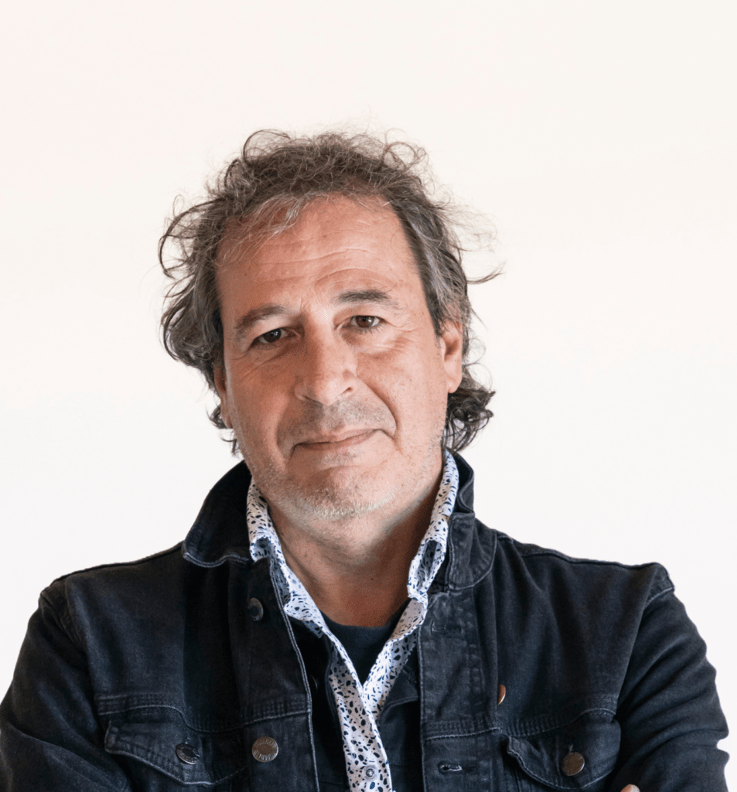
José Carlos Bouso, PhD
José Carlos Bouso is a Clinical Psychologist with a PhD in Pharmacology. He developed his scientific activities at the Universidad Autónoma de Madrid, the Instituto de Investigación Biomédica IIB-Sant Pau, and the Instituto Hospital del Mar de Investigaciones Médicas (IMIM). During this period, he conducted clinical studies on the therapeutic effects of MDMA (“ecstasy”) and psychopharmacological research on the acute and long-term neuropsychiatric effects of various substances of both synthetic and plant origin. From 2012 to 2025, he served as the Scientific Director at ICEERS, coordinating studies on the potential benefits of psychoactive plants—principally cannabis, ayahuasca, and ibogaine—to improve public health, where he continues to serve as a Scientific Advisor. He is currently the Scientific Director at Synaptica Innova, a non-profit organization dedicated to research, training, public policy, and social justice-based treatments with psychedelics. He is the co-author of more than 100 scientific papers, book chapters, and several books.
-

Allison Feduccia, PhD
Allison Feduccia, PhD, is a neuropharmacologist, psychedelic researcher, and educator. She is the Founder and CEO of Psychedelic Support, a platform for education and connection to psychedelic practitioners and community groups. She serves as a scientific advisor and consultant to 501(c)(3) nonprofits advancing psychedelic research, innovative treatments, and advocacy for equitable, responsible access to psychedelic therapies for mental health and wellness. She began researching MDMA in 2004 and has worked on mental health studies at UT Austin, UCSF, NIH, and MAPS. Through her work, Dr. Feduccia bridges rigorous science with compassionate, earth-honoring wisdom to illuminate the transformative power of expanded states of consciousness.
-
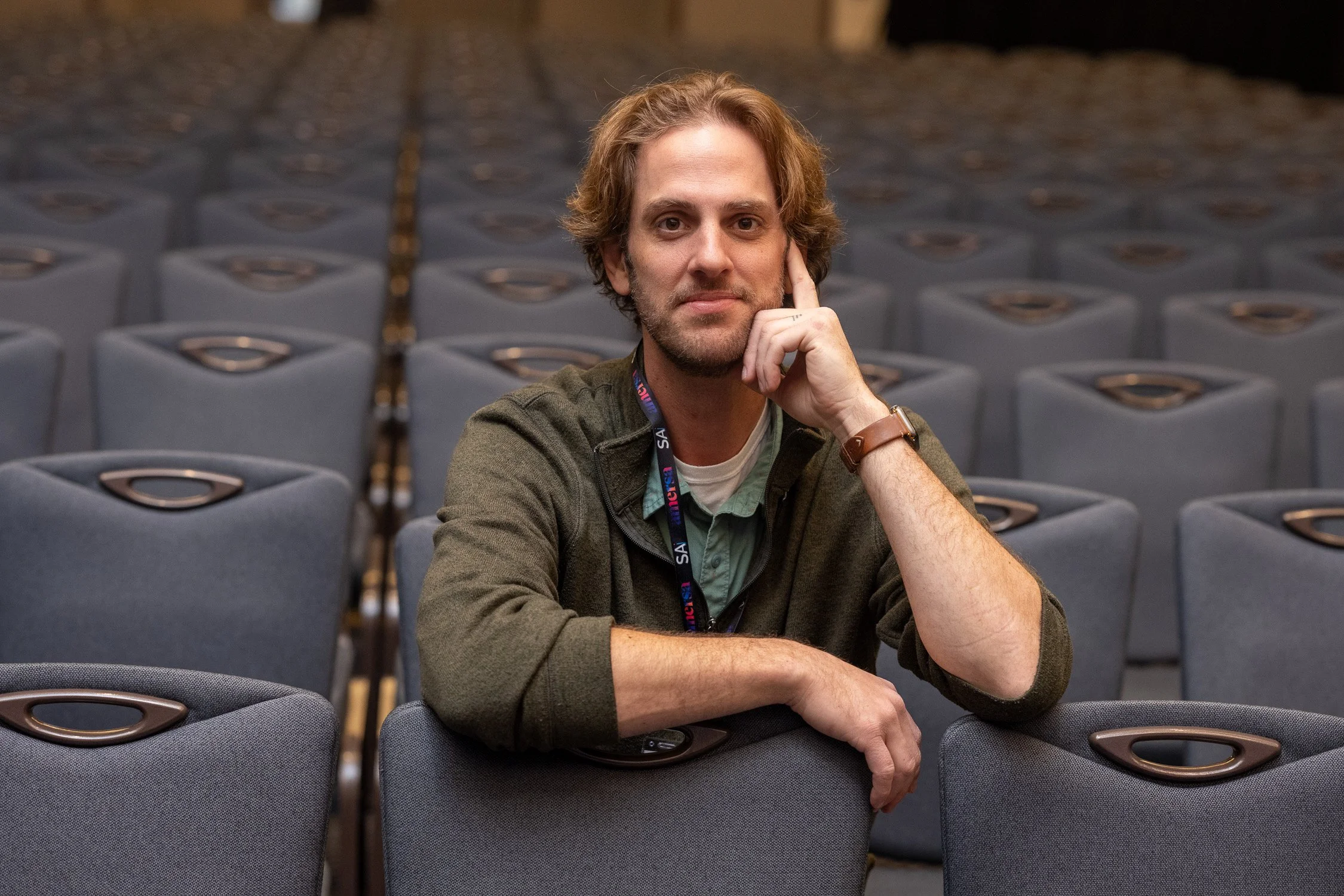
Kevin Franciotti, MA
Kevin Franciotti is a Licensed Addiction Counselor in Colorado, and the Board President and co-founder of Psychedelics in Recovery (PIR), an international peer support fellowship supporting individuals in recovery who are navigating relationships with psychedelics. His work is informed both by traditional recovery communities and by emerging paradigms in psychedelic care, with particular attention to the ethical, cultural, and psychological complexities that arise when these worlds intersect. Over the past decade, Kevin’s advocacy work with PIR has contributed to the growth of peer-led meetings, conference programming, public education initiatives, and collaborative efforts with clinicians, researchers, policymakers, and recovery advocates working to expand safe and responsible approaches to psychedelic access and integration.
-
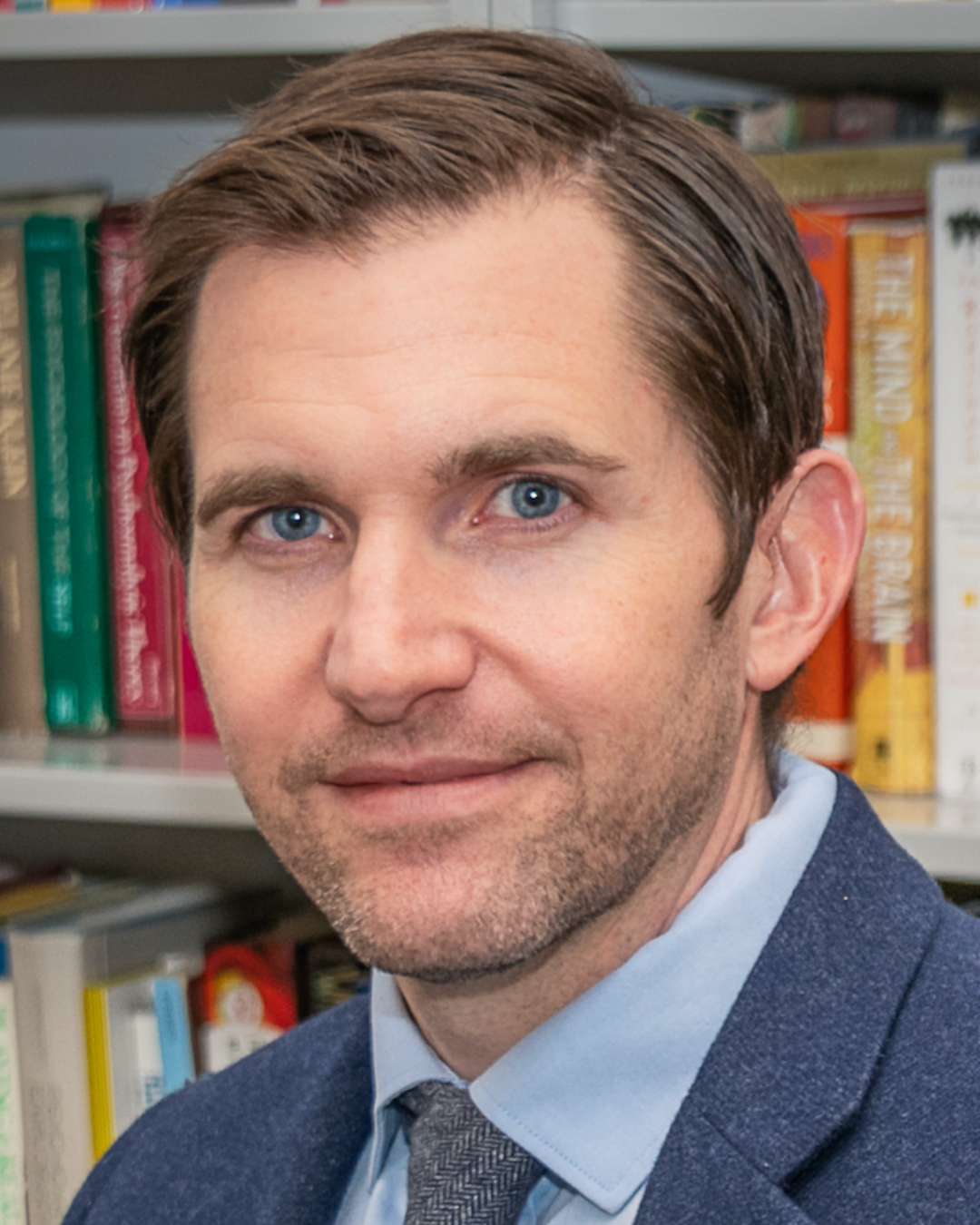
Michael Gawrysiak, PhD
Michael Gawrysiak, PhD is an Associate Professor of Psychology at West Chester University and an Assistant Professor of Clinical Psychology in the Department of Psychiatry at the University of Pennsylvania Perelman School of Medicine. His research and clinical expertise focus on novel interventions for substance use disorders and post-traumatic stress. Specifically, he investigates contemplative practices, meditation, altered states of consciousness, and psychosocial treatments designed to alleviate psychiatric symptoms and promote well-being. Dr. Gawrysiak has coordinated federally funded research evaluating mindfulness-based interventions for opioid use disorder (OUD). Currently, he serves as a co-investigator and clinical lead for treatment delivery on two clinical trials examining the brain-behavioral outcomes of psychedelic-assisted therapy (PAT; psilocybin) for OUD. Additionally, he partners with domestic and international psychedelic service centers to study outcomes associated with participation in legally offered psychedelic retreats. Driven by a long-standing personal and professional interest in meditation, Dr. Gawrysiak provides mindfulness-based intervention programming across various settings and is invested in understanding how contemplative practices can facilitate psychedelic preparedness and enhance dosing experiences.
-
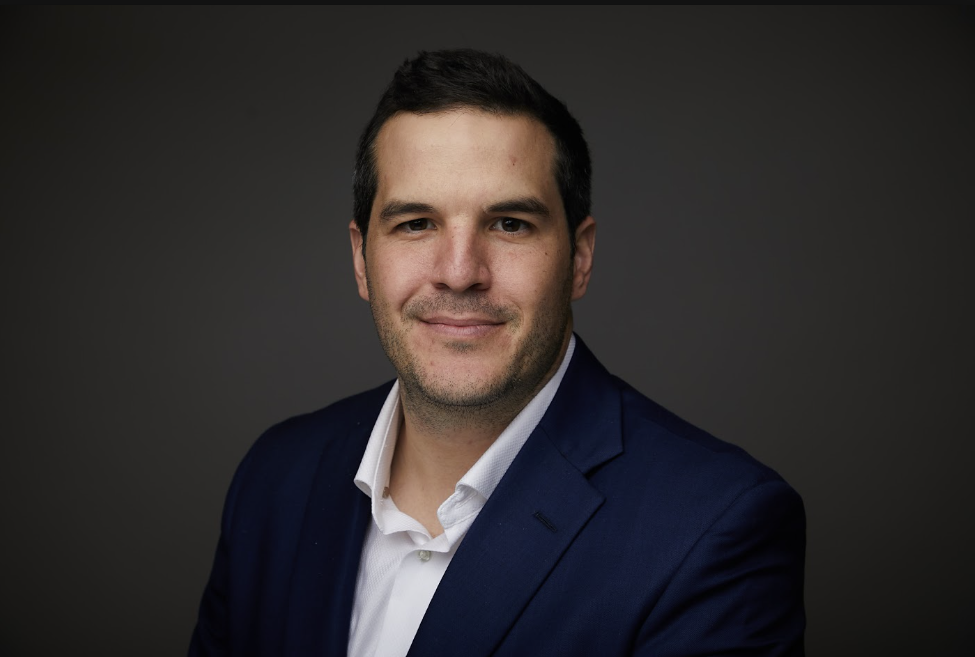
Jesse Gould
Jesse Gould, a former Army Ranger and Founder of Heroic Hearts Project, is leading the charge when it comes to providing psychedelic therapy to military veterans. Through his nonprofit, he has raised over $10 million and served more than 1,500 veterans and veteran spouses. Partnering with top institutions like the University of Georgia and Imperial College London, Jesse continues to further research on psychedelic treatments for PTSD and TraumaticBrain Injury. His work, featured in outlets like the New York Times and Forbes, has earned him recognition as the "Godfather of psychedelics for veterans," making him a global advocate for reshaping mental health care for those who have sacrificed so much.
-
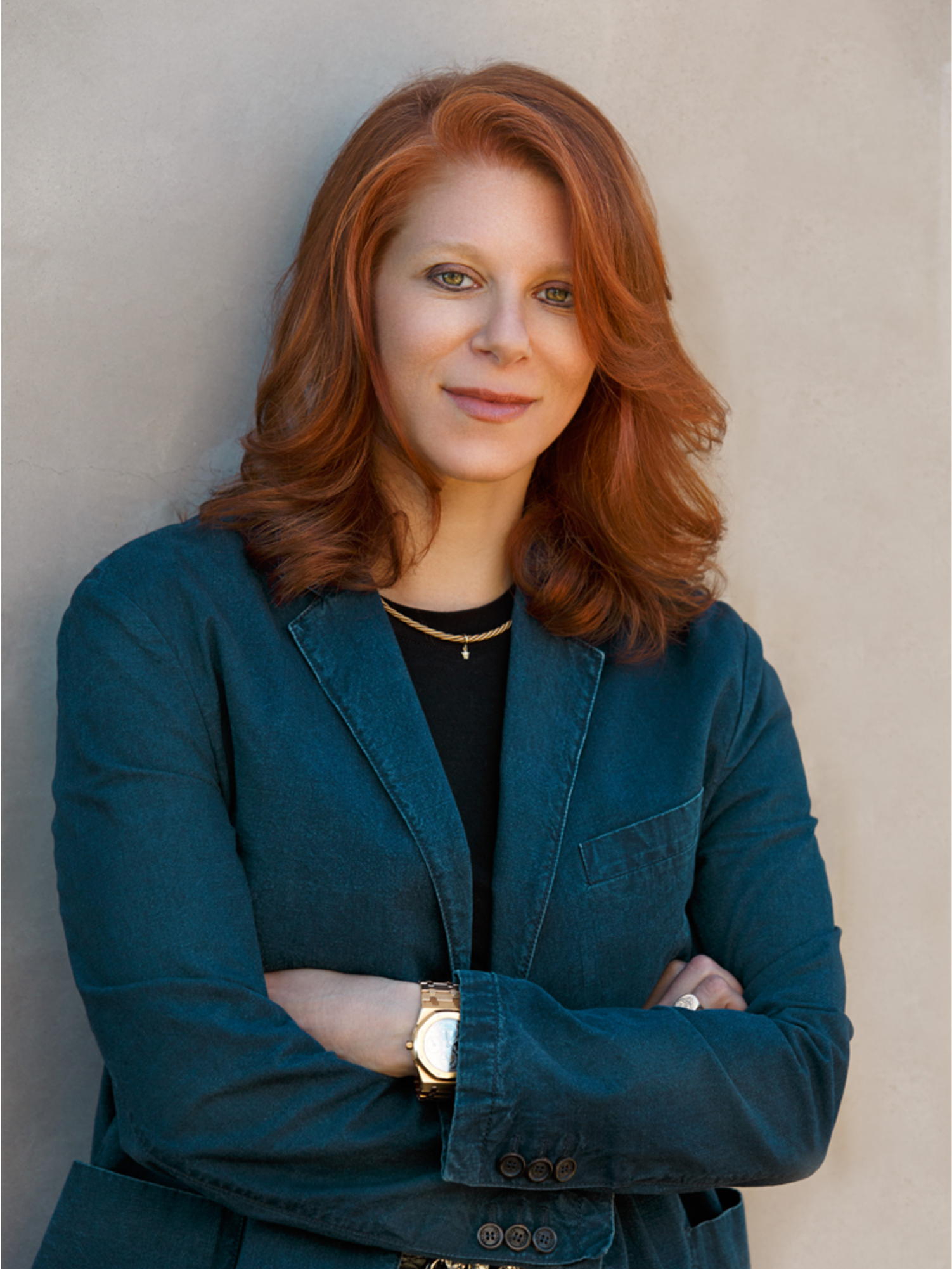
Staci Gruber, PhD
Dr. Staci Gruber is the Director of the Cognitive and Clinical Neuroimaging Core at McLean Hospital’s Brain Imaging Center and an Associate Professor of Psychiatry at Harvard Medical School. Her research focuses on using neurocognitive models and brain imaging to characterize risk factors for substance abuse and psychiatric conditions. In 2014, Dr. Gruber launched Marijuana Investigations for Neuroscientific Discovery (MIND), the first program examining the long-term impact of medical cannabis use. MIND supports projects that address the impact of medical cannabis on important variables including cognition, brain structure/function, clinical state, pain, sleep, quality of life, and additional measures. As director of MIND, Dr. Gruber has generated major contributions to the field as the first to assess medical cannabis patients longitudinally, first to acquire neuroimaging data in medical cannabis patients, and as PI of the first clinical trial of a full-spectrum, high-cannabidiol (CBD) product, which she formulated to treat anxiety. Additional, novel clinical trials are currently underway. Dr. Gruber has launched the Women’s Health Initiative at MIND (WHIM), the first cannabis-focused research program designed to address women’s health.
-
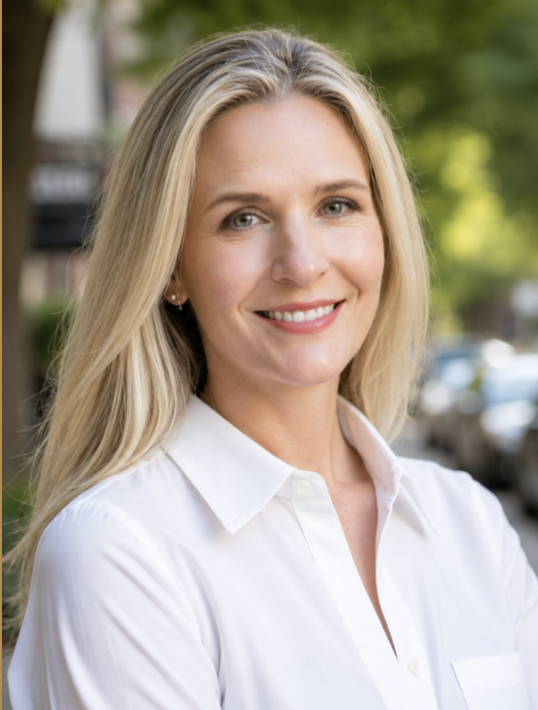
Anne Hamilton, Esq
Anne Hamilton is the founder and executive director of the Survivorship Collective, the first non-profit connecting the cancer community to safe, regulated, psychedelic-assisted therapies. Aftersurviving advanced-stage cancer as a young adult, she became an advocate for better mentaland spiritual care for cancer patients, survivors, and their loved ones. Hamilton is a formerlitigator, 9th Circuit Clerk, and a current member of the Psychedelic Bar Association. She hasworked in government, with nonprofits, and in higher education as a professor at USC’s Schoolof Cinematic Arts. She is a 2025 Mira Fellow, a certified mediator, holds a J.D. from Yale LawSchool, a Master’s Degree in Philosophy from Stanford University, and is a graduate of NotreDame and the American Film Institute.
-
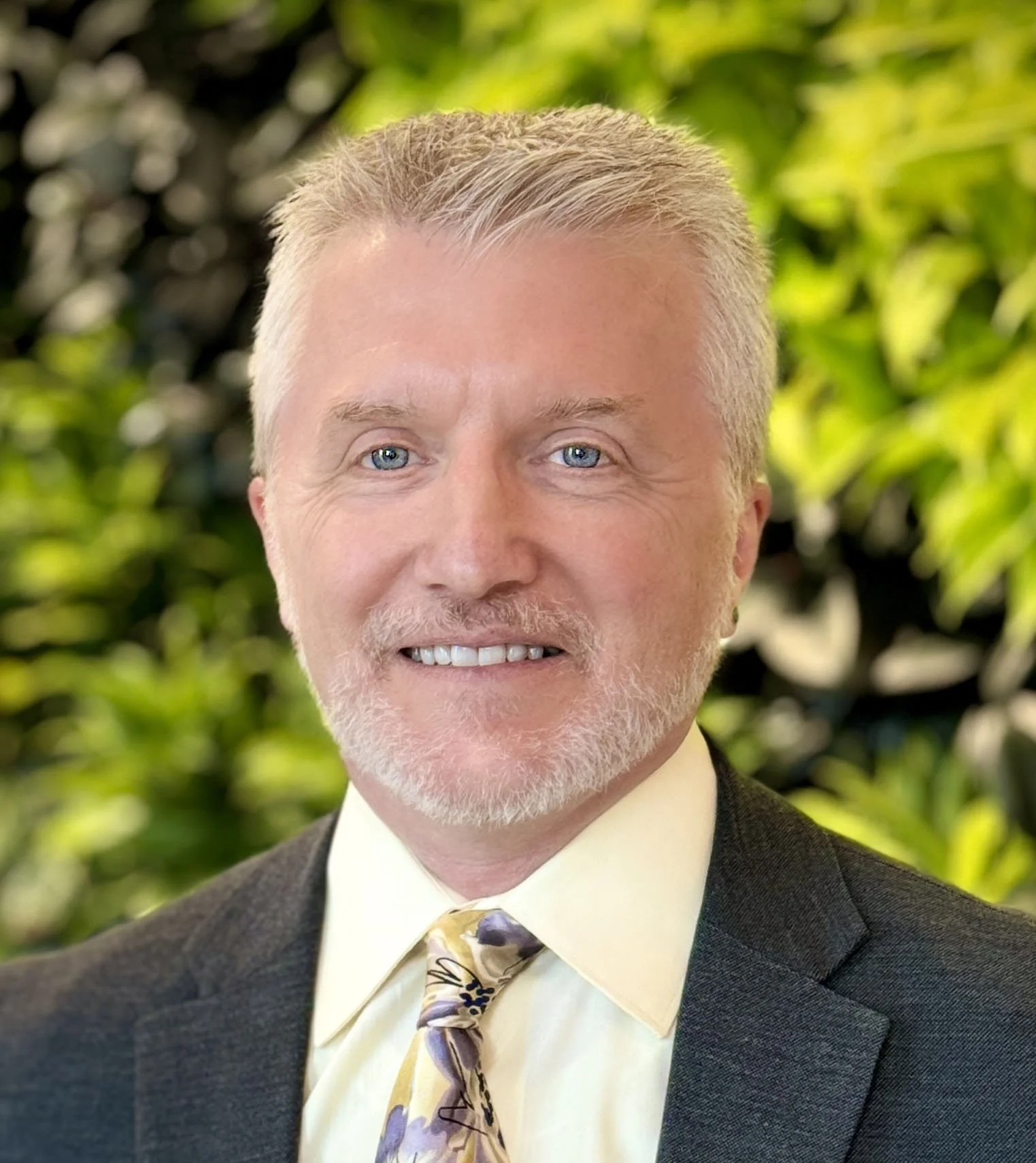
Richard Harris, PhD
Richard Harris is a Susan Samueli Endowed Chair in the Susan Samueli Integrative Health Institute and Professor in the Department of Anesthesiology and Perioperative Care in the School of Medicine at the University of California at Irvine. His background is in basic science and clinical research in alternative medicine. He received his B.S. degree in Genetics from Purdue University in 1992 and his Ph. D. in Molecular and Cell Biology from UC Berkeley in 1997. Following his graduate work, he completed a postdoctoral fellowship at NIH. He is a graduate of the Maryland Institute of Traditional Chinese Medicine and has received an MS degree in Clinical Research Design and Statistical Analysis at the University of Michigan. Dr.Harris is currently investigating mechanisms of chronic pain and its treatment with acupuncture, psychedelics, energy healing, and shamanism. His recent investigations have focused on the role of brain neurotransmitters and brain network behavior in chronic pain. He was a member of the National Advisory Council for NIH/NCCIH and is a past co-President for the Society forAcupuncture Research.
-
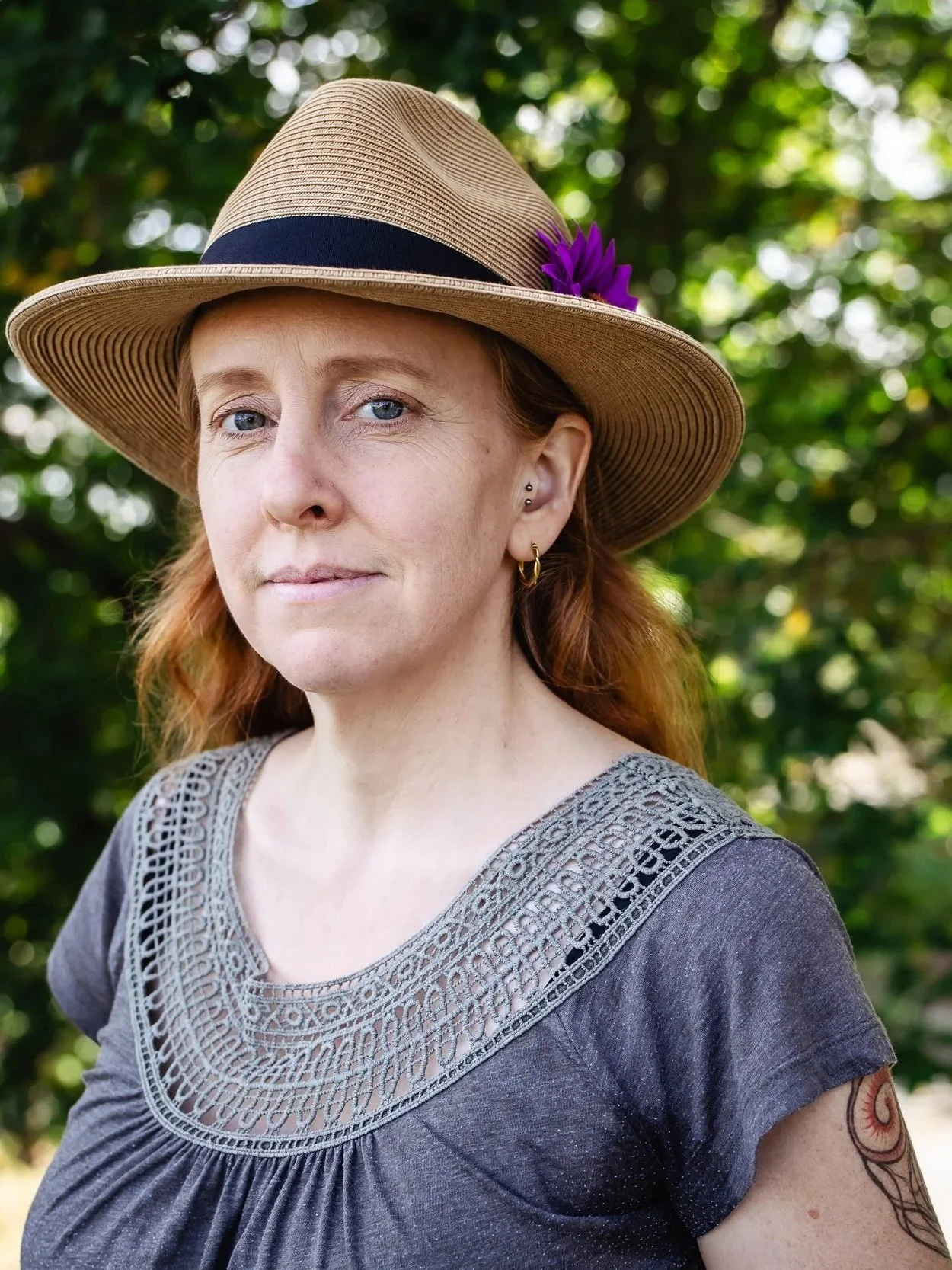
Selma Holden, M.D., M.P.H., M.S.
Selma Holden, MD, MPH, is an integrative family physician, therapist, and co-owner and medical director of Riverbird Clinic in Portland, Maine. Her work brings together harm reduction, trauma-informed care, and a belief in the healing potential of community. At Riverbird, she helps develop and facilitate ketamine-assisted therapy in individual and group settings, drawing on her background in integrative medicine and her training in psychedelic-assisted psychotherapy. Dr. Holden leads GATHER (Group-Assisted Therapy, Healing, and Expanded Recovery), an Etheridge Foundation–supported pilot exploring a group approach to healing and recovery. She is also adjunct faculty at the University of New England College of Osteopathic Medicine, where she teaches future physicians. Across her clinical, teaching, and research work, she is interested in how expanded states of consciousness, thoughtful therapeutic support, and connection with others can help people move toward.
-
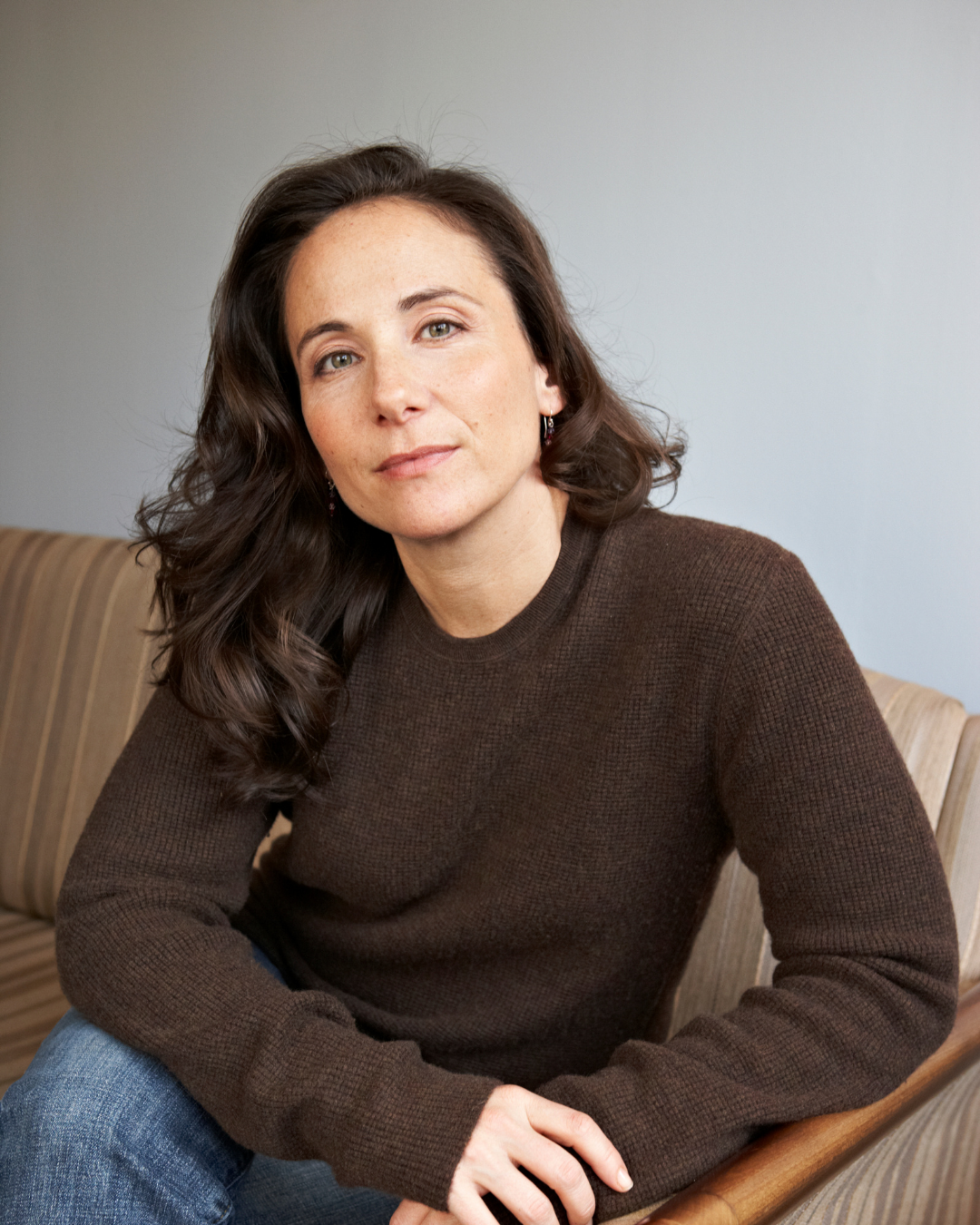
Julie Holland, MD
Dr. Julie Holland is a psychiatrist and author of the New York Times bestsellers Moody Bitches and Weekends at Bellevue. She was formerly a weekend attending physician in Bellevue Hospital's Psychiatric Emergency Room. Dr. Holland is the editor of two non-profit books, Ecstasy: The Complete Guide and The Pot Book: A Complete Guide to Cannabis. While now a medical advisor to MAPS, she served as a medical monitor for several clinical studies examining the efficacy of MDMA-assisted psychotherapy and cannabis in the treatment of Post Traumatic Stress Disorder. She sits on multiple scientific advisory boards of cannabis and psychedelic companies and is a member of the International Society for Substance Assisted Psychotherapy. Her newest book is Good Chemistry: The Science of Connection, From Soul to Psychedelics.
-
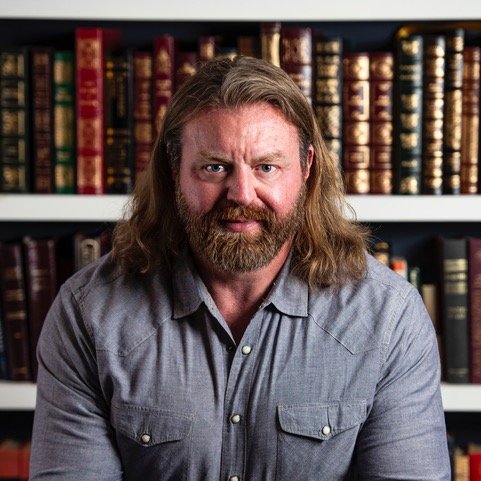
W. Bryan Hubbard, Esq
W. Bryan Hubbard is a transformative leader and policy expert with a strong background in law, public service, and community engagement, focused on reforming human systems to drive social progress. His career spans leadership of complex government systems which address disability, substance dependency, generational poverty, healthcare, child support, mental health treatment, and broad based governmental reform. He was raised in the Virginia coalfields and is the proud grandson of two grade school-educated U.M.W.A. coal miners on whose shoulders he stands.
-
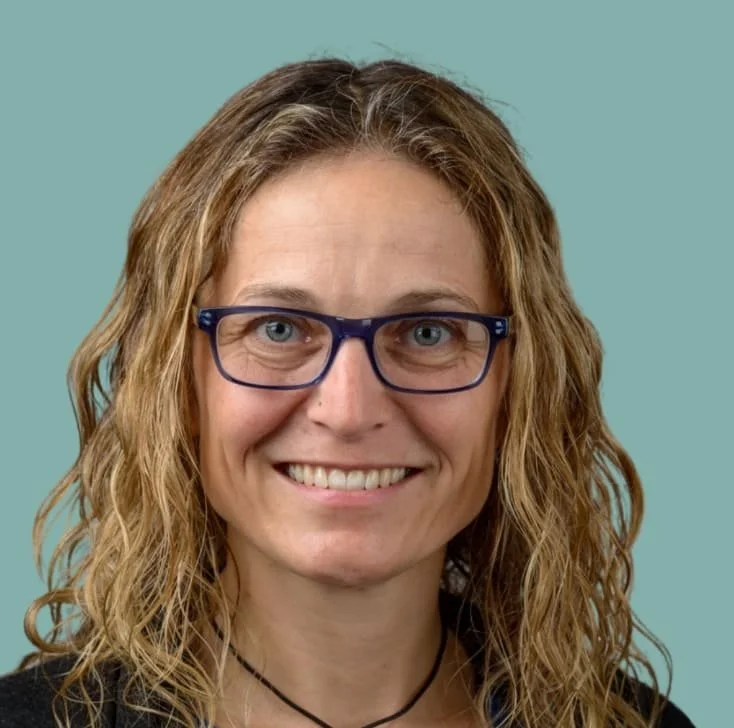
Pamela Kryskow, MD
Dr. Pamela Kryskow is the medical lead for the Roots To Thrive Program. She is a founding board member of the Psychedelic Association of Canada and the medical chair of the Vancouver Island University Post Graduate Certificate in Psychedelic Medicine assisted Therapy. Pam is also a clinical instructor at UBC and adjunct professor at VIU. Dr. Kryskow is actively involved in research related to psilocybin, MDMA, ketamine, front line health care workers and first responders mental wellness. She is co-investigator on the largest microdosing study Microdose.me which is ongoing with 22,000+ enrolled participants. Prior to studying medicine she was a City of Coquitlam Firefighter for 8 years and provincial forestry firefighter for 4 seasons. Her heritage includes Polish, Ukrainian, and German. She currently resides in the traditional unceded territory of the Klahoose First Nations.
-
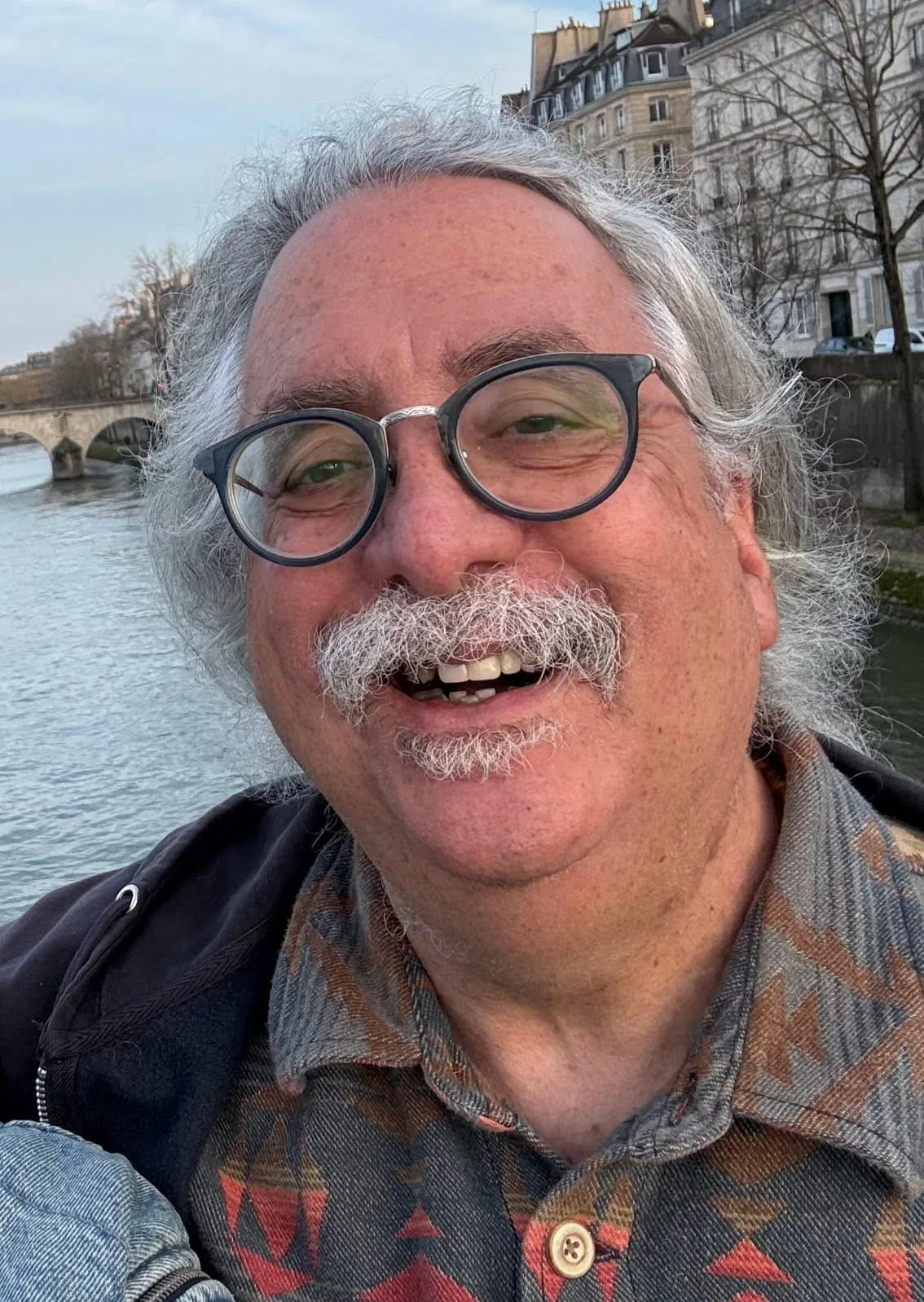
Lawrence Leeman, MD, MPH
Larry Leeman MD MPH, Professor, Family & Community Medicine; University of New Mexico (UNM) School of Medicine is board certified in Addiction Medicine. As director of the UNM Milagro Perinatal Substance Use program he began to appreciate trauma as the roots of the addiction and cycles of despair affecting our New Mexico communities. This led him to develop a research program at UNM in Psychedelic Assisted Therapies for Trauma and Addiction. Current studies include the use of MDMA for postpartum women with PTSD/Opioid Use, 4-HODiPT for anxiety and depression associated with terminal medical illness, and the development of group psilocybin therapy for Post-Traumatic Stress Disorder (PTSD). He is on the Advisory Board for the New Mexico Medical Psilocybin Program. The Group Psilocybin-Assisted Therapy (GPAT) PTSD study was designed from the outset to be community-informed. GPAT uses a group therapy model for PTSD incorporating peer facilitators with shared affinity with the groups including veterans/first responders and women survivors of sexual trauma. The study aligns with the New Mexico Therapeutic Psilocybin Program in its focus on access and equity and the use of whole psilocybin mushrooms. An extended integration model provides longer-term support to participants both within and beyond the clinical trial.
-
Juliana Mulligan, LMSW
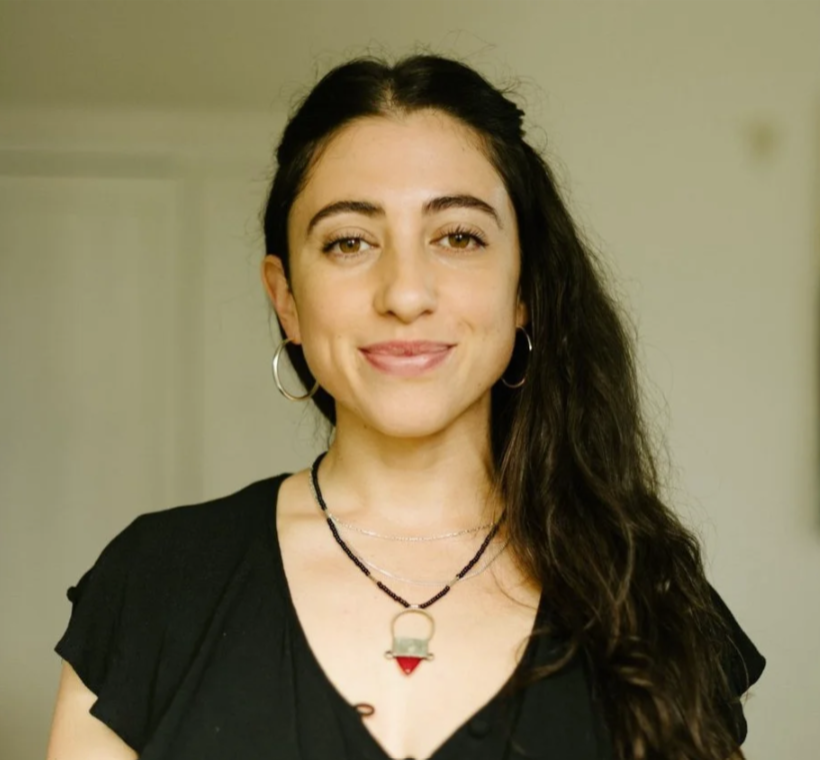
Juliana Mulligan is a psychotherapist who is formerly opioid dependent, formerly incarcerated, and has been working in the ibogaine treatment community for fourteen years. In 2011, with the help of ibogaine treatment, Juliana left opioids behind and set off on a path to transform the way drug users and their treatment is approached. She has a master’s in social work from NYU, was previously the Psychedelic Program Coordinator at the Center for Optimal Living, and is a consultant for Americans for Ibogaine. She currently runs Inner Vision Ibogaine, which supports people in preparation and integration around ibogaine treatment and offers consulting services to ibogaine related projects. She is also the founder of Idryma, the first ibogaine facilitator training program. She has worked in multiple ibogaine clinics, presented at many psychedelic and harm reduction conferences, and is the author of the Guide to Finding a Safe Ibogaine Clinic and co-author of Fireside’s Warning Signs When Selecting a Psychedelic Facilitator. She has taught about ibogaine at Charite University in Berlin and Southwestern College in New Mexico, and has written for multiple publications about ibogaine.
-
Hanifa Nayo Washington
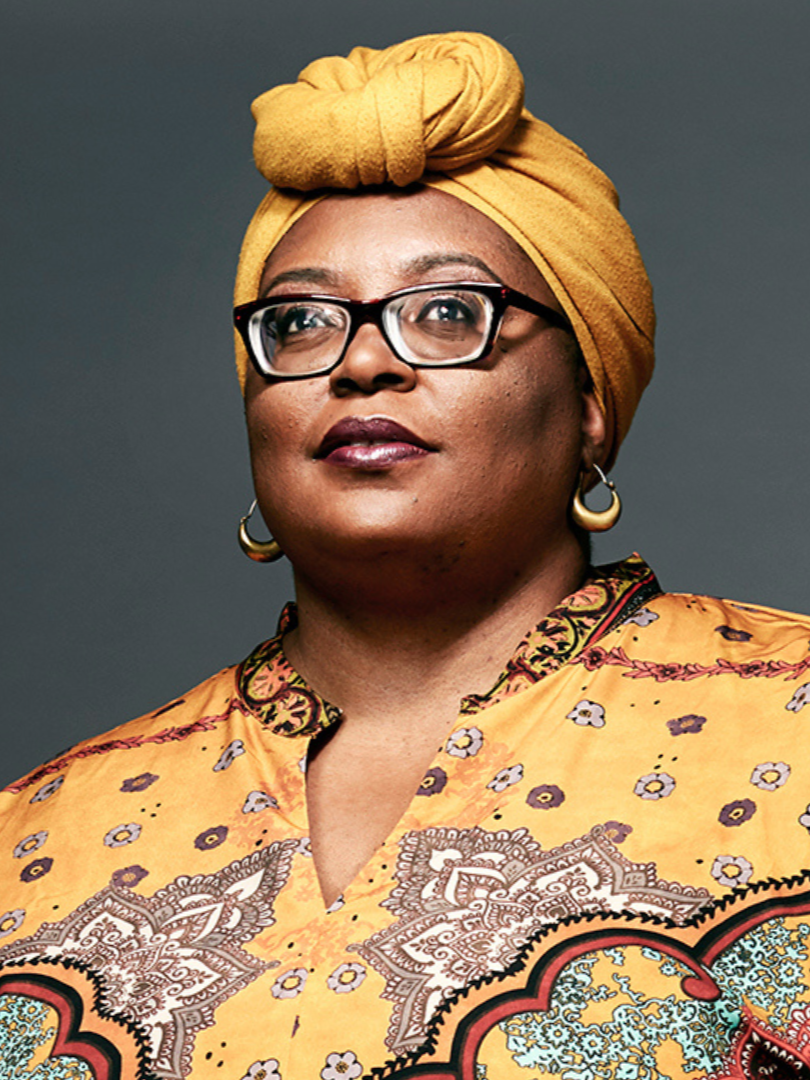
Hanifa Nayo Washington is Co-Director of the Psychedelic Mental Health Access Alliance (PMHA Alliance), a national nonprofit developing the care models, partnerships, and evidence needed to bring psychedelic-assisted therapy into Medicaid and other public mental health systems. PMHA Alliance is building the evidence base through implementation research, demonstration pilots, and health systems partnerships.
As the implementation partner for one of the nation’s first community-informed studies of group psilocybin-assisted therapy for PTSD at the University of New Mexico Health Sciences Center, the organization is helping develop scalable, equitable models for public mental health care. Hanifa serves on the University of New Mexico research team, providing expertise in implementation, workforce development, community engagement, and culturally responsive care.
Hanifa is Co-Founding Team Emerita of Fireside Project, where she helped establish the nation’s first free Psychedelic Peer Support Line, helping shape a new model for community-based psychedelic care.
A certified psilocybin facilitator trained in Oregon, Hanifa is also a Reiki Master practitioner, ritualist, musician, and song leader whose work is rooted in sacred activism and the practice of beloved community. For more than 20 years, she has created spaces for individual and collective transformation, bringing the sacred into conversation with the practical and building pathways toward care that honor human dignity, collective liberation, and our capacity to heal together. -
Christopher Nicholas, PhD
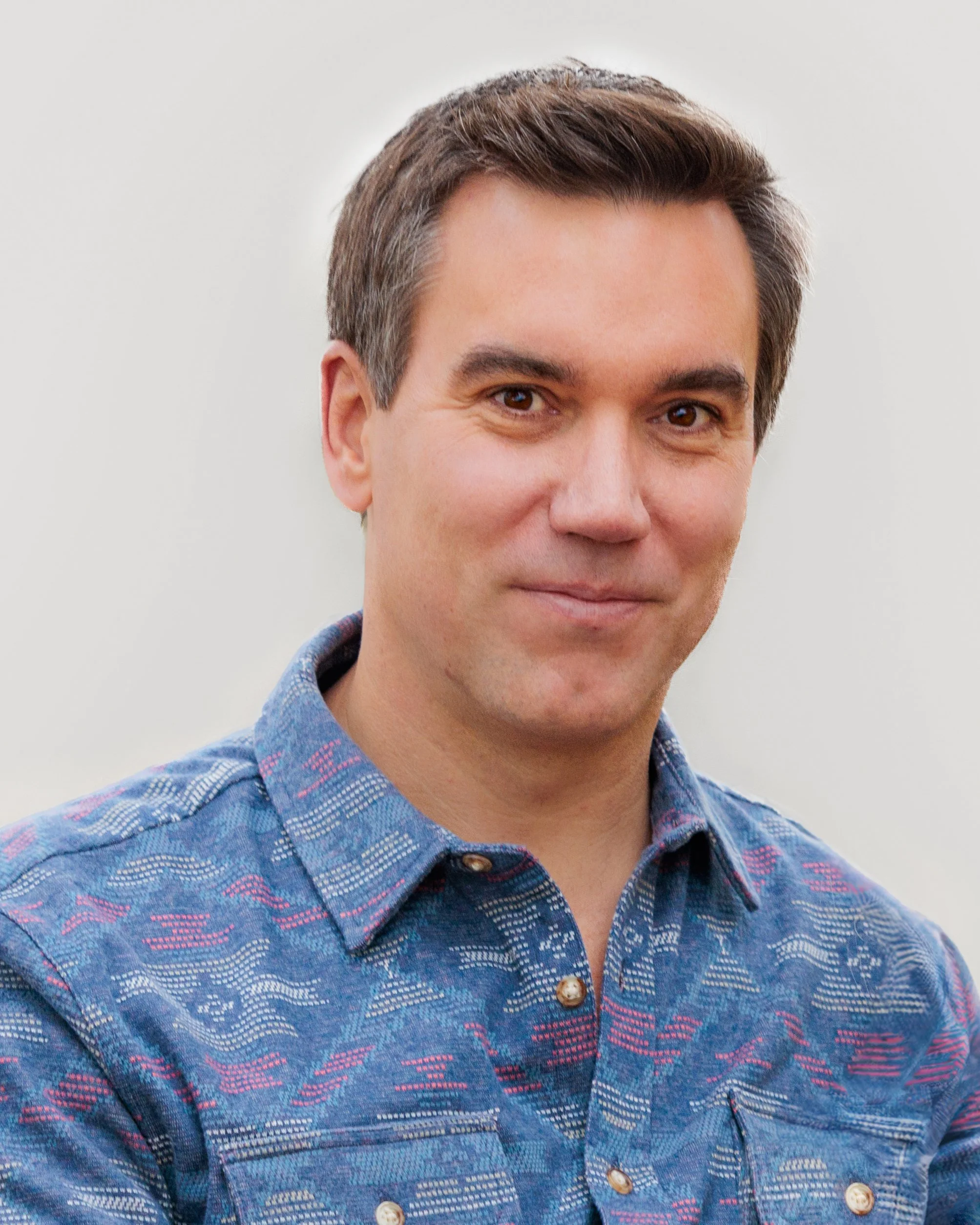
Dr. Christopher Nicholas is Assistant Professor at the University of Wisconsin-Madison School of Medicine and Public Health with expertise in clinical and experimental trial design, training, and neuroimaging in the field of psychedelics. His research examines the clinical efficacy and therapeutic mechanisms of psychedelics and other psychoactive compounds for addiction (alcohol, opioid, and methamphetamine use disorders), trauma, chronic pain, and depression. Dr. Nicholas is also a supervisor for the UW Addiction Medicine Fellowship Program, and provides specialty clinical services focused on opioid medication management and taper in the context of chronic pain, addiction, and trauma.
-
Sandeep Nayak, MD
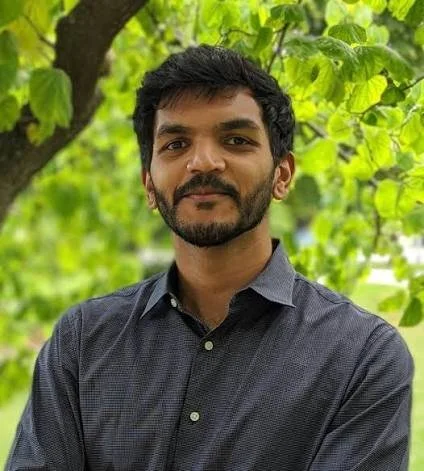
Dr. Sandeep Nayak is an Assistant Professor and Center Medical Director and Johns Hopkins University. He also works as a psychiatrist at Addiction Treatment Services (ATS) and The Center for Addiction and Pregnancy (CAP) at Johns Hopkins Bayview Medical Center. Dr. Nayak completed his MD at Brown University and his psychiatry residency at Johns Hopkins Hospital. He’s primarily focused on investigating psychedelics as treatments for psychiatric conditions, particularly substance use disorders and mood disorders. Some other research interests within the field include the application of Bayesian statistics to clinical trials and psychedelic induced belief changes.
-
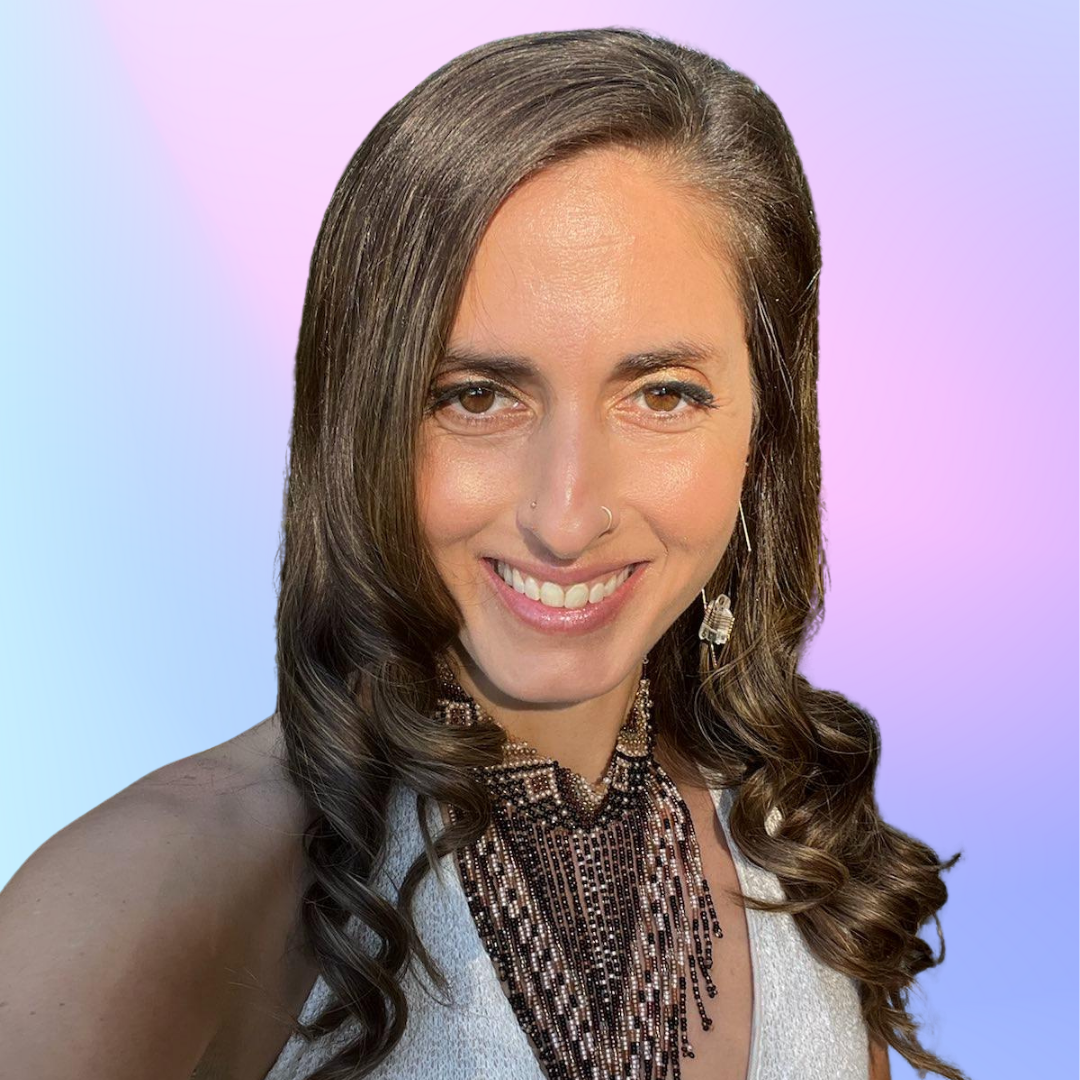
Danielle Nova
Danielle Nova is an expert in microdosing and psychedelic-assisted approaches for addiction recovery. She is the Executive Director of the first and largest psychedelic society in the United States, San Francisco Psychedelic Society, as well as the Founder of Lumeria and the Microdosing Facilitator Training, the first such certification training in North America. Danielle transformed her life out of 15 years of severe drug addiction through the intentional use of psychedelics and microdosing. She went on to found Psychedelic Recovery, a harm reduction peer support group that has provided integration services for thousands of individuals around the globe who are utilizing psychedelics to interrupt addictive patterns. As a leader in the field, Danielle has professionally trained and certified over 100 clinicians, coaches and wellness practitioners to become ethical, trauma-informed microdosing facilitators. With nearly a decade of experience, Danielle has created and delivered educational programs, integration groups and addiction recovery services to more than 25,000 individuals worldwide. Featured in outlets such as CBS News, SXSW and the MAPS Psychedelic Science Conference, Danielle is a trailblazer in microdosing training, advocacy and addiction treatment.
-
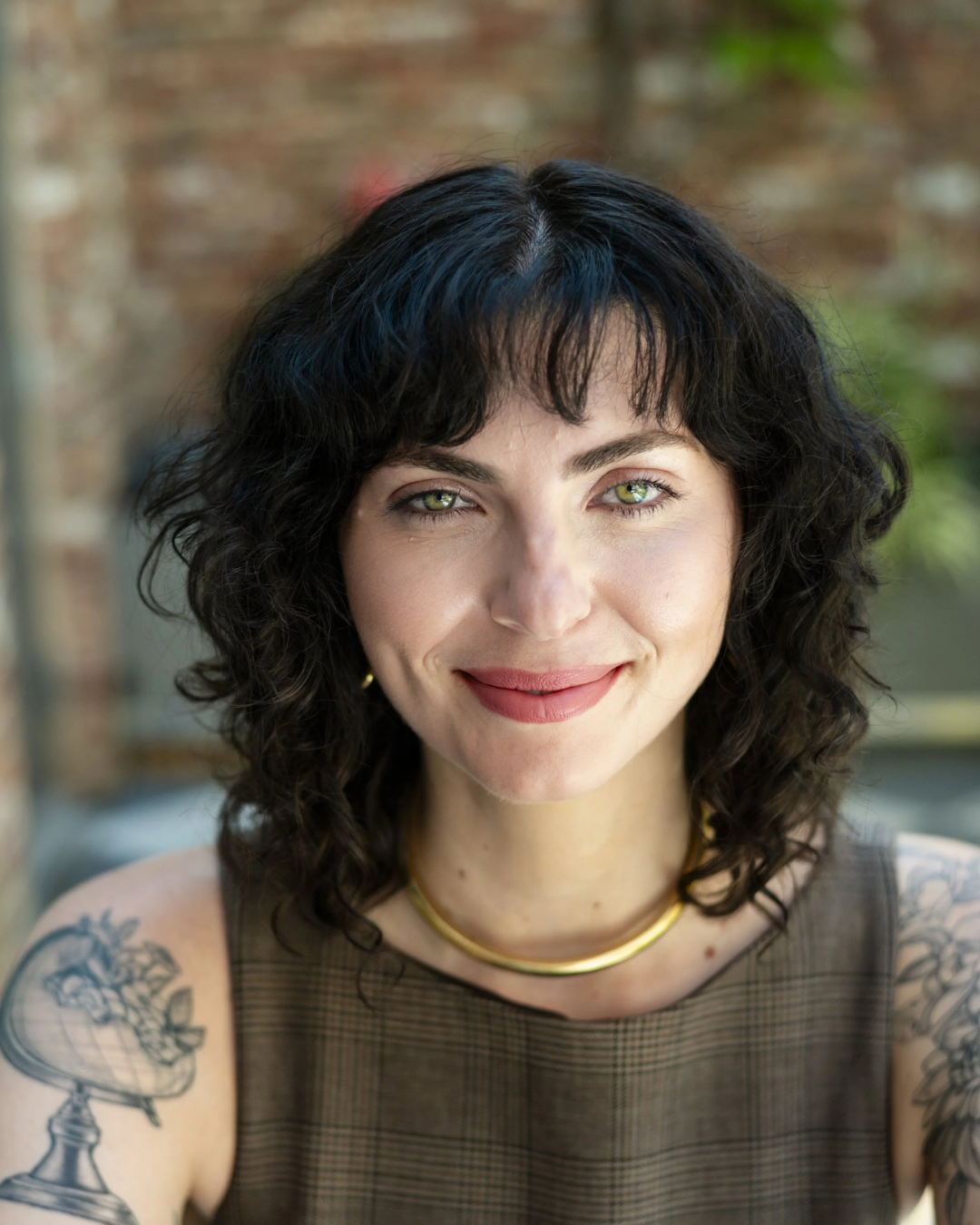
Erin Samueli
Erin Samueli is an activist, organizer, and philanthropist grounded in the principles of social justice and earth-centric values. With a multidisciplinary background spanning education as a middle school science teacher, philanthropic leadership as a program director and board member, laboratory science as a biochemist, and creative expression through music as frontwoman of the rock band 37 Houses, Erin holds a dynamic worldview that empowers and amplifies every space she engages in. As Founder and President of The Humboldt Foundation, Erin is committed to fulfilling the mission of Sovereignty Diffusion, leading with an ecosystemic vision inspired by the interconnectedness of living systems, and grounded in the belief that meaningful change emerges not only through financial capital but through relationships, trust, lived experience, and shared wisdom. Erin’s life work is to cultivate regenerative networks of resource exchange across sectors, communities, nonprofit organizations, and philanthropic partners. Across all her personal and professional endeavors, Erin embodies and advances the values of solidarity, ecosystem-mindedness, authenticity, equity, compassion, and optimism. Her work centers the amplification of agency, the nurturing of interconnected systems, and the co-creation of conditions where sovereignty, possibility, and collective thriving can take root.
-
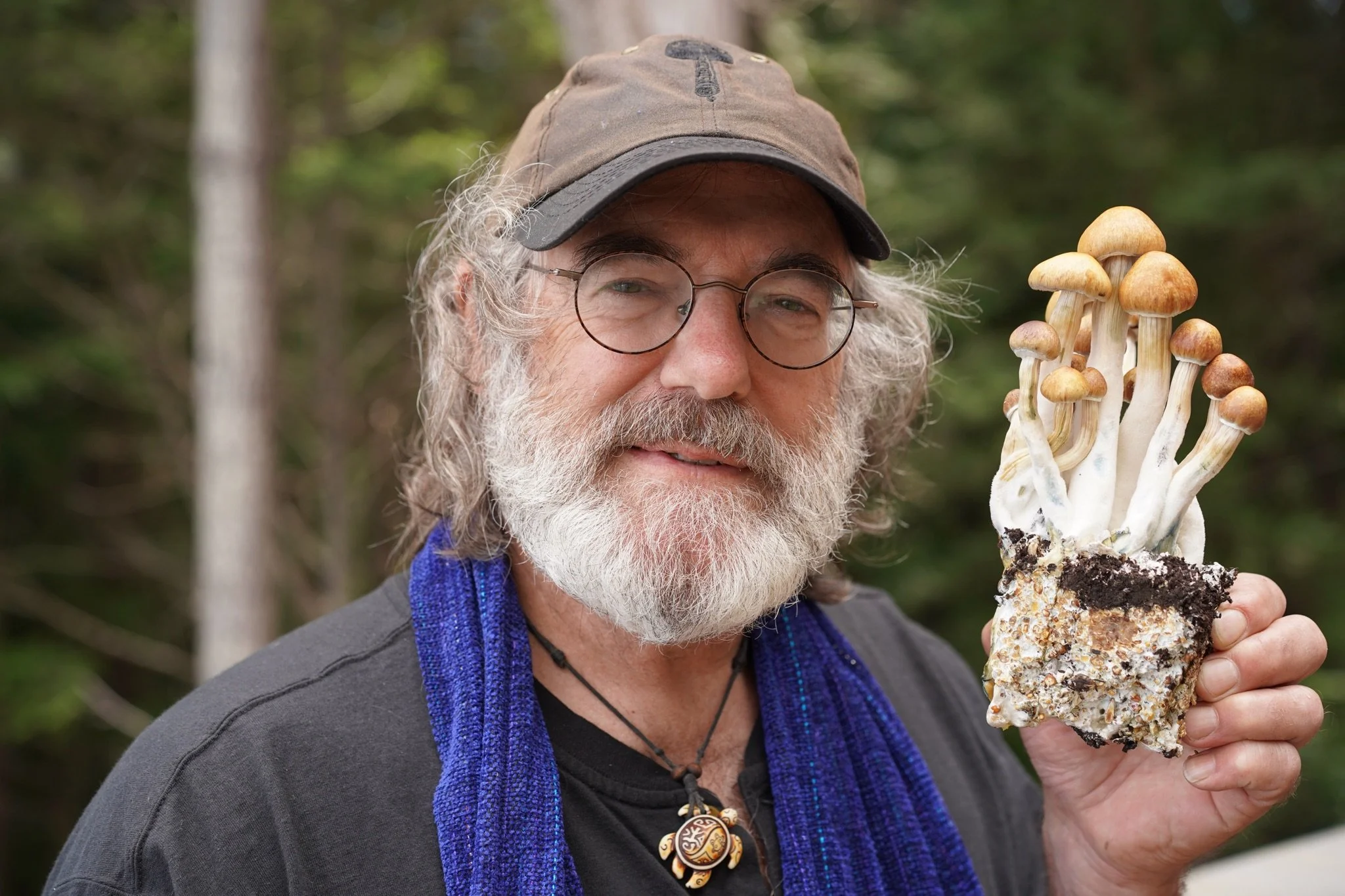
Paul Stamets
Paul Stamets is an elder, author, and independent mycologist whose pioneering work has shaped modern fungal taxonomy, medicinal mycology, and public understanding of psychoactive fungi. He has authored eight books, most recently Psilocybin Mushrooms in Their Natural Habitats (June 2025), and has formally described numerous psilocybin-containing species. In 2023, the species Psilocybe stametsii was named in his honor. An Invention Ambassador for the American Association for the Advancement of Science (AAAS) and a 2020 inductee of The Explorers Club, Stamets has received the National Mycologist Award (2013), the Gordon and Tina Wasson Award (2015), the NextMed Disruptor Award (2023), and the SynBioBeta Lifetime Achievement Award (2024). In 2025, the United Nations recognized him as one of the “100 Disruptors” advancing positive global change. He founded Fungi Perfecti, LLC and created Host Defense® Mushrooms™, a line studied in multiple clinical trials reporting positive health outcomes. Stamets brings decades of fieldwork, taxonomic insight, and advocacy for responsible, science-based engagement with psilocybin fungi—bridging traditional knowledge, conservation, and emerging therapeutic applications.
-
Anna Symonds, MA
Anna Symonds is the Executive Director of the Etheridge Foundation and an advocate and activist for the therapeutic benefits of plant medicines and psychedelics. She is also a retired Women's Premier League rugby player whose 20-year playing career includes a USA Rugby Div 1 National Championship and a Sydney (Aus) Premiership. In a previous role as a cannabis science educator, Anna directly educated thousands of people on an evidence-based approach to the plant, including law and policy makers at the local, state, and national levels. She served on the Oregon Cannabis Commission's Research Leadership Subcommittee from 2020-2021. Anna holds an MA in Communication and is also an Ambassador for the nonprofits Last Prisoner Project, Athletes for CARE, and the Concussion Legacy Foundation.
-

Chantelle Thomas, PhD
Dr. Chantelle Thomas, Executive Clinical Director of Windrose Recovery, is a Clinical Health Psychologist specializing in the treatment of addiction and trauma. Since 2013, Dr. Thomas has been studying the therapeutic use of psychedelics for individuals with PTSD, substance use disorders, and depression via clinical and mechanistic research trials at University of Wisconsin School of Medicine and Public Health. She is certified in both MDMA-Assisted Psychotherapy and Ketamine Assisted Psychotherapy (KAP) and established Integrata, an integrative KAP treatment program that implements a relational, inner-directed model for trauma reprocessing for both residential and outpatient clients. Dr. Thomas is directly involved in teaching, training, and consulting with clinical trials in the academic and private sector involving LSD, MDMA, Psilocybin, Ketamine, and 5-MeO-DMT. She also hosts a podcast, Blind Spots: Exploring What We Cannot See, that examines therapeutic blind spots in both established and novel treatments for substance use and trauma-related conditions.
-
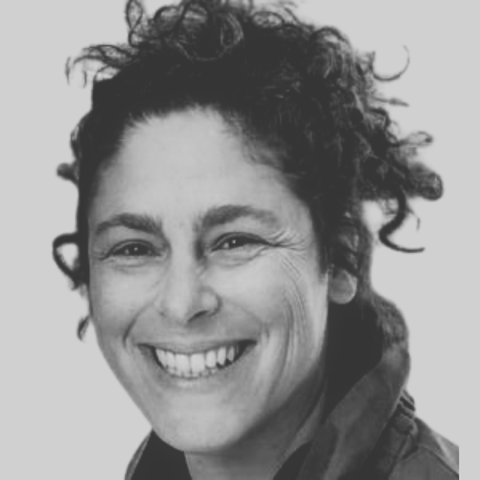
Miriam Volat, MS
Miriam Volat, M.S., is the Co-Director of the RiverStyx Foundation, working nationally and internationally to promote health across all systems. She is a mother, educator, organizer, facilitator, and ecologist passionate about soils and nutrient cycles. She works on biocultural conservation of sacred plant medicines through the Indigenous Peyote Conservation Initiative, serving as a Staff Director, and the Indigenous Medicine Conservation Fund, where she helped lay the groundwork for Indigenous-led organizing and continues to serve as Director of Strategic Relationships. She works in any way that can ensure the conservation of these medicines for Indigenous communities and their precious ways of life. At RiverStyx, she supports efforts and projects that bring to light the societal issues that have long been relegated to the shadows.
-
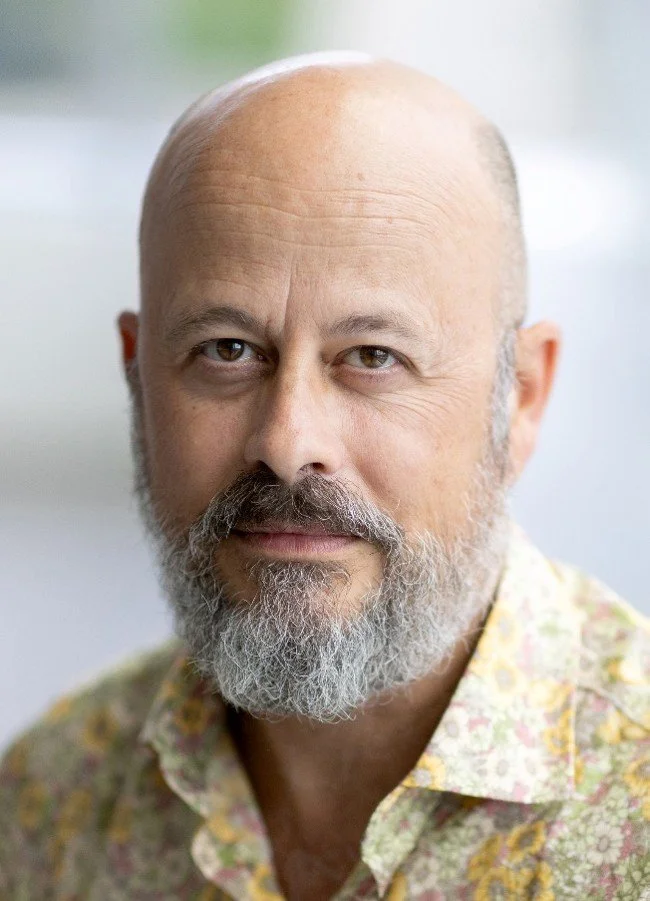
Zach Walsh, PhD
Zach Walsh, PhD, is a clinical psychologist, a Research Affiliate with the BC Centre on Substance Use, and a Professor of Psychology at the University of British Columbia, where he directs the TRPS (Therapeutic, Recreational, and Problematic Substance use) lab and the Problematic Substance Use clinic. Zach has published over 100 peer-reviewed publications and presented widely on topics related to psychedelics, cannabis, mental health and psychotherapy. He led the first Canadian clinical trial of cannabis for PTSD and currently leads an Etheridge Foundation and ShineMaker Foundation funded trial of psilocybin-assisted psychotherapy for opioid titration in chronic pain. Zach also leads microdose.me, which is a large international observational trial of microdosing, as well as several ongoing studies of cannabis as a harm reduction tool.